Bitcoin in Nicaragua: Law 1072, UAF, BCN, Cordoba Funding, Remittances, Stablecoins, Travel Rule Controls, and Custody
Nicaragua's Bitcoin route sits inside an AML framework that explicitly includes virtual asset service providers. Law 1072 amended the framework, and later fintech guidance discussed custody, proof of reserves, blockchain monitoring, and Travel Rule-style traceability. At the same time, Nicaraguan buyers care about NIO funding, USD remittances, family transfers, stablecoins, bank comfort, and whether a global exchange can support local users without creating account risk.
Why Bitcoin Matters in Nicaragua
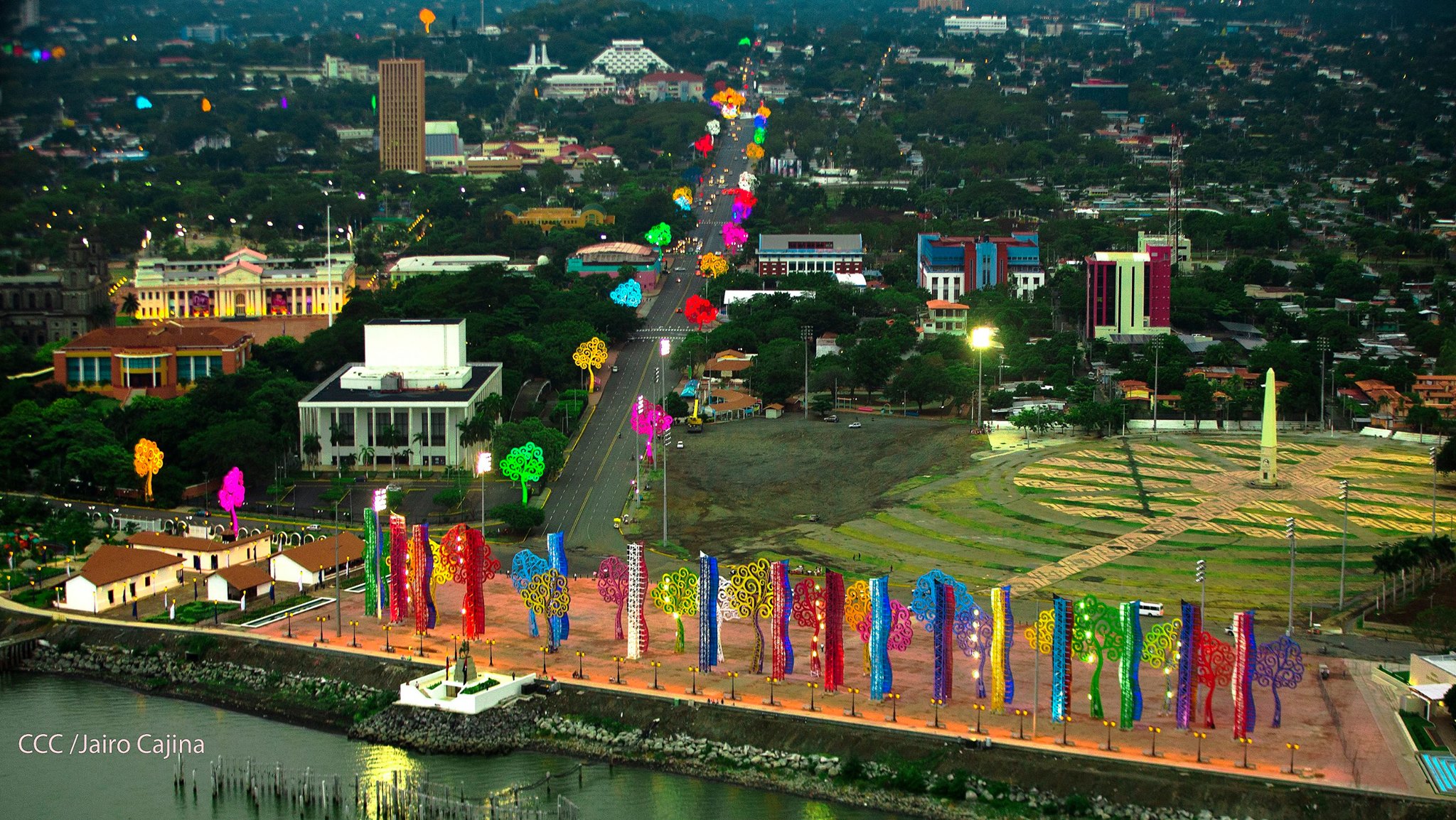
Bitcoin matters in Nicaragua because remittances, dollar access, political risk, and banking friction all shape household money decisions. But the local rulebook is about AML, supervision, and fintech obligations, not Bitcoin legal tender.
Law 1072 and Virtual Asset Providers
Law 1072 amended Nicaragua's anti-money-laundering framework and brought virtual asset service providers into the regulatory conversation. Buyers should treat provider status and AML checks as part of the route.
UAF, BCN, and Fintech Guidelines
Recent Nicaragua fintech guidance discusses custody safeguards, proof of reserves, blockchain monitoring, sanctions screening, and Travel Rule traceability. That makes compliance records a practical exchange-selection factor.
Cordoba Funding, USD Remittances, and Stablecoins
Nicaraguan buyers often think in both cordobas and U.S. dollars. Recent local discussions say the workable route is usually Binance P2P, while local cards may be rejected, app onboarding can fail by nationality or residence, and large NIO cash-outs may not have enough local liquidity.
Tax and Records in Nicaragua
Keep NIO deposits, USD remittance records, bank and card receipts, exchange exports, wallet addresses, transaction IDs, fees, and screenshots of quoted rates. If stablecoins sit between remittance money and Bitcoin, keep those swaps documented.
How to Choose a Bitcoin Exchange in Nicaragua
Start with Nicaragua residency support, UAF and BCN context, NIO or USD funding, and bank comfort. Then compare custody safeguards, Travel Rule data, support language, tax exports, and Bitcoin withdrawals.
What Local Buyers Actually Check
Nicaragua buyers usually care about Law 1072, UAF obligations, BCN fintech guidance, NIO and USD funding, Binance P2P reliance, rejected local cards, remittances, stablecoins, Travel Rule data, custody controls, tax exports, and Bitcoin withdrawals.
In Nicaragua, Law 1072, UAF and BCN guidance, NIO and USD funding, remittances, stablecoins, Travel Rule controls, custody, and tax exports shape the route.
Ranked Exchange Shortlist in Nicaragua
OKX, Kraken, Crypto.com, and Changelly are also part of the Nicaragua ranked list alongside Binance.
Use the full list as a country-availability starting point. Check local funding support, accepted identity documents, the final BTC quote, custody terms, and Bitcoin withdrawal rules inside the account before sending funds.
Because Bank transfer, Credit/debit card, and Apple Pay can change the all-in price, compare the live order preview and withdrawal fee rather than relying only on the rank.
Bitcoin Legality in Nicaragua
Bitcoin ATMs and Cash Purchases in Nicaragua
Bitcoin ATMs can be useful for quick cash purchases, but they are rarely the cheapest way to buy.
Check the machine's final quote, operator fee, identity step, and receiving wallet before using one.
The Bitcoin Backdrop in Nicaragua
Law 1072 brought VASPs into the AML framework is part of the local backdrop. Legal analysis says Law 1072 amended Nicaragua's AML laws and generally regulated virtual asset service providers.
BCN fintech guidance discusses custody and Travel Rule controls changes the route as well. Nicaragua fintech guidance references cold storage, multi-signature keys, proof of reserves, blockchain monitoring, and Travel Rule traceability.
2026 reforms targeted AML and virtual assets is another local detail that matters. Xinhua reported in June 2026 that Nicaragua approved reforms to strengthen anti-money-laundering controls and regulate virtual assets.
How We Ranked These Exchanges
For Nicaragua, this ranking gives extra weight to Law 1072, UAF and BCN context, NIO and USD funding, Binance P2P reliance, card rejection and KYC risk, remittances, stablecoin routes, Travel Rule controls, custody safeguards, tax exports, and withdrawals.


 OKX
OKX
 Kraken
 Crypto.com


 Balanced choice